Canada is a nation surrounded by ocean, from the Pacific to the Arctic to the Atlantic. These waters provide massive potential for scientific research to further our national understanding of diverse species, ecosystems and the state of our environment and climate. But conducting ocean research isn’t always easy and with such large amounts of data, researchers need a reliable network for connection, coordination and processing all that information.
An intentional and coordinated approach is required to efficiently and effectively observe the ocean, to prevent gaps and overlaps in data collection and analysis. The Canadian Integrated Ocean Observing System (CIOOS) exists for that exact reason. CIOOS supports scientists, innovators, and policymakers by making ocean data available and accessible.
The Marine Environmental Observation, Prediction and Response Network (MEOPAR) understands the significance of the work CIOOS is doing and, with a commitment to overcome barriers in marine science and advance collaborative research within Canada, is committed to supporting CIOOS in its mission to share ocean data and expertise in an accessible way.
“MEOPAR is passionate about contributing to coordinating the Canadian approach to ocean research from coast to coast to coast and is proud to support CIOOS through funding, advocacy, and planning the development of the CIOOS national coordinating office,” said Jamie Snook, Executive Director of MEOPAR.
MEOPAR is dedicated to helping CIOOS achieve their goal to be a home for all Canadian ocean data.”
Jamie Snook, Executive Director of MEOPAR
CIOOS consists of three regional associations, CIOOS Pacific, CIOOS Atlantic, and the St. Lawrence Global Observatory (SLGO), which operate collaboratively with funding from Fisheries and Oceans Canada / Pêches et Océans Canada(DFO), and MEOPAR. The entirety of CIOOS hasn’t met in person since 2019 and the ocean ecosystem has changed significantly in that time.
As CIOOS’ current strategic plan reaches an end, an in-person meeting has been called to bring all three regional associations together. The event will enable CIOOS staff to strategically plan and discuss their vision to move ocean data management forward in an integrated manner, to leverage existing Canadian and international ocean observation data, and to connect ocean observation activities across sectors, industries, and the country.
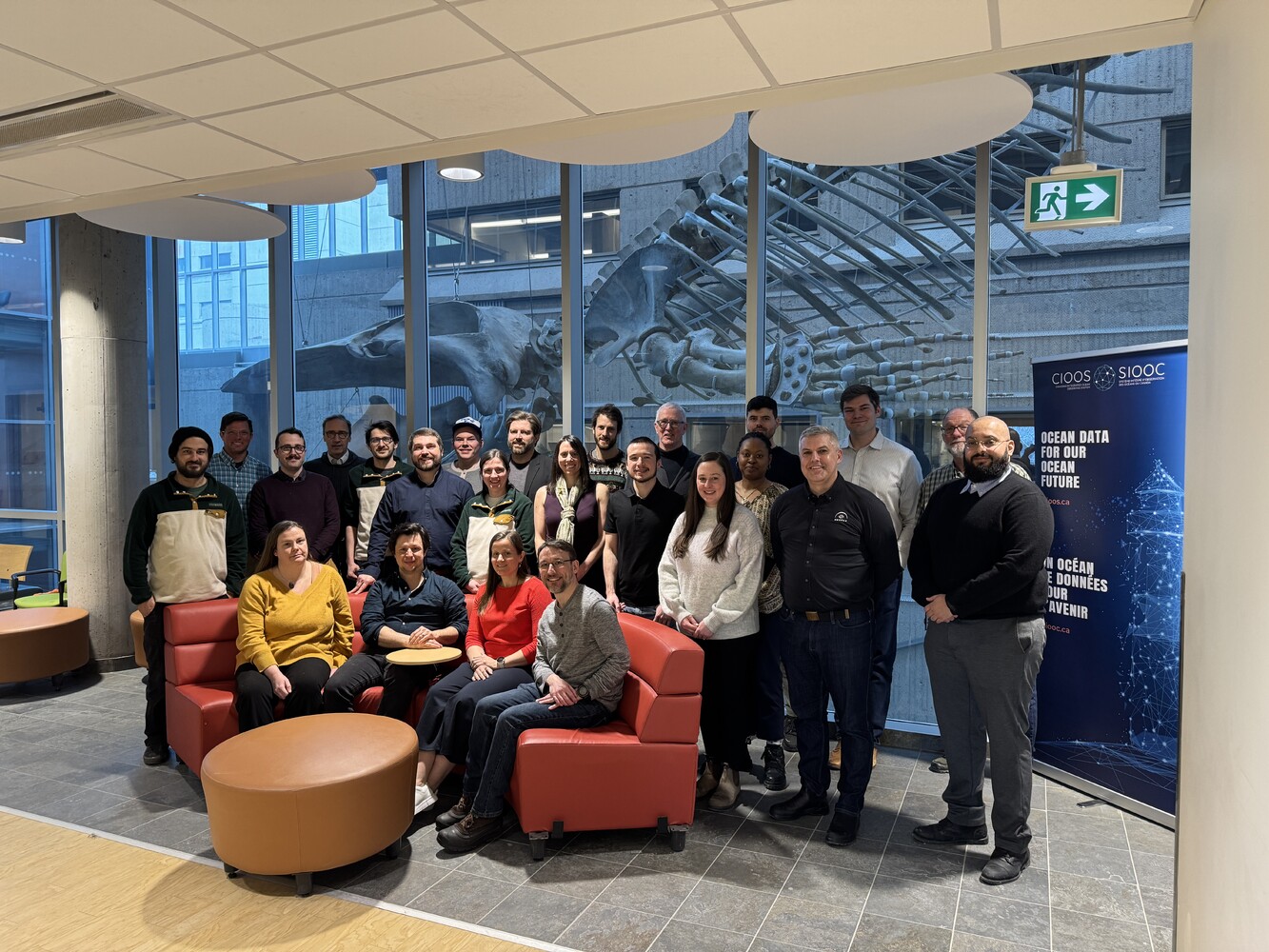
“As we come to the end of our current strategic plan, and with implementation of the Coordinating Office, we move into a new phase for CIOOS. This meeting presents a significant opportunity to begin development of our 2026-2031 strategic plan, and to develop clear and actionable deliverables that advance CIOOS and that further create a demonstrable impact on the ocean observing landscape in Canada and internationally,” said Shayla Fitzsimmons Executive Director of CIOOS Atlantic.
This meeting represents the first CIOOS-wide face-to-face meeting since 2019. Although we operate successfully through virtual meetings and electronic means of communication, there is no substitute for being in the same room. I’m very much looking forward to reflecting on past achievements, considering future goals, and most of all: to connecting with colleagues, including some who I’ve not yet had the opportunity to meet in person.”
Shayla Fitzsimmons Executive Director of CIOOS Atlantic.
The challenges associated with ocean observation mean that Canadian waters remain largely under-observed, but CIOOS is committed to making available ocean data that would otherwise be inaccessible. This meeting, as well as ongoing funding from significant players in the ocean space like MEOPAR and DFO, will ensure that CIOOS can move forward in establishing the next phase of ocean data collection and analysis to the benefit of all Canadians.
To learn more about CIOOS and the essential work they’re doing to break down data barriers in Canada’s Ocean Sector, visit them online.