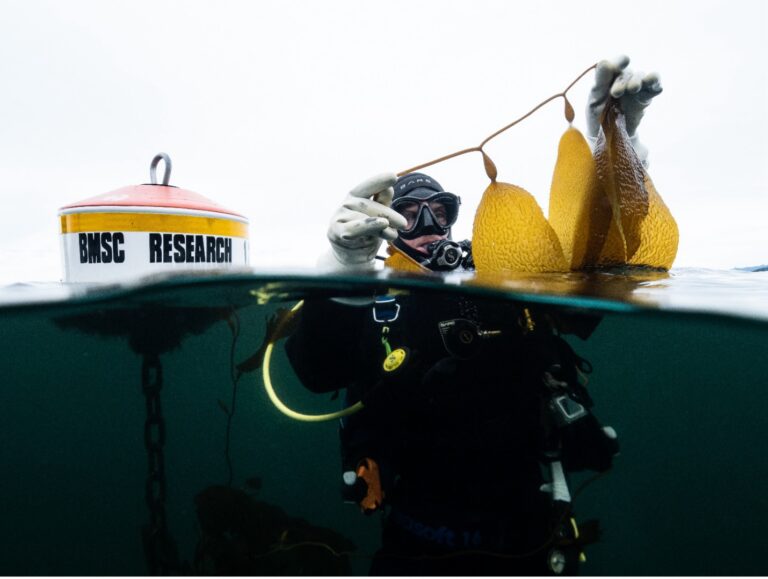
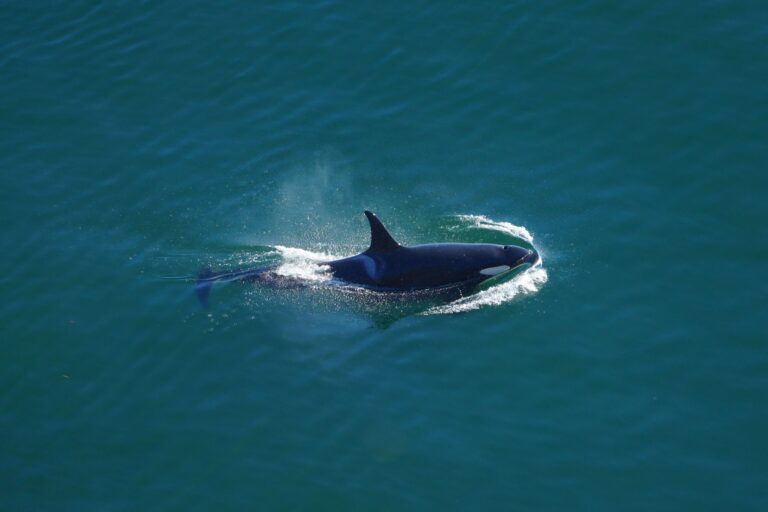
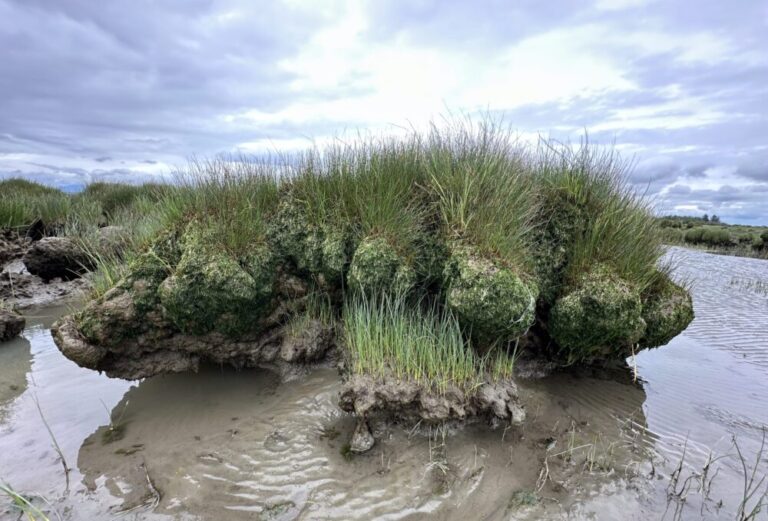
Canada is home to the longest coastline in the world, positioning it as a global leader in the blue economy, but also bringing with it a unique set of ocean challenges that Canadians are susceptible to. From climate change, to marine biodiversity and habitat loss, to coastal border security and global trade concerns, there is a pressing need to build innovative solutions that combat these problems head-on. Only through collaboration can these solutions be successful, which poses its own barrier, as the current ocean research landscape is siloed between different sectors and disciplines.
The Marine Environmental, Observation and Response Network (MEOPAR), alongside the Council of Canadian Academies (CCA), recognizes this barrier and has joined together to pioneer a new expert panel on ocean research coordination, that will help shape a productive and innovative future for ocean research in Canada through collaboration.
Through conducting a nationwide survey and hosting a series of workshops focused on identifying pain points, gaps, and opportunities, as well as cultivating ideas through open discussions and data collection, this initiative will pave the way for a collaborative approach to ocean research that brings together academia, government, industry and tech.
In the coming weeks, MEOPAR and CCA will be continuing to build funding partnerships for the project, and after reviewing all the sector feedback will develop a final research question for the expert panel.
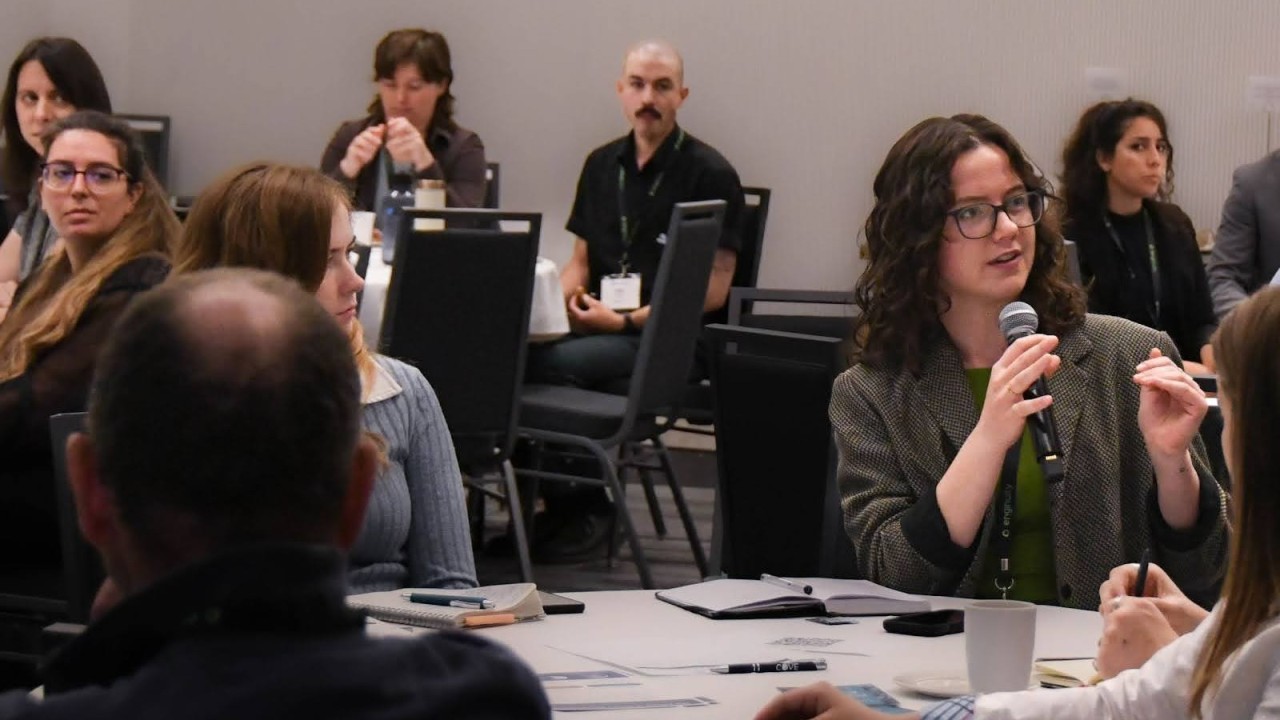
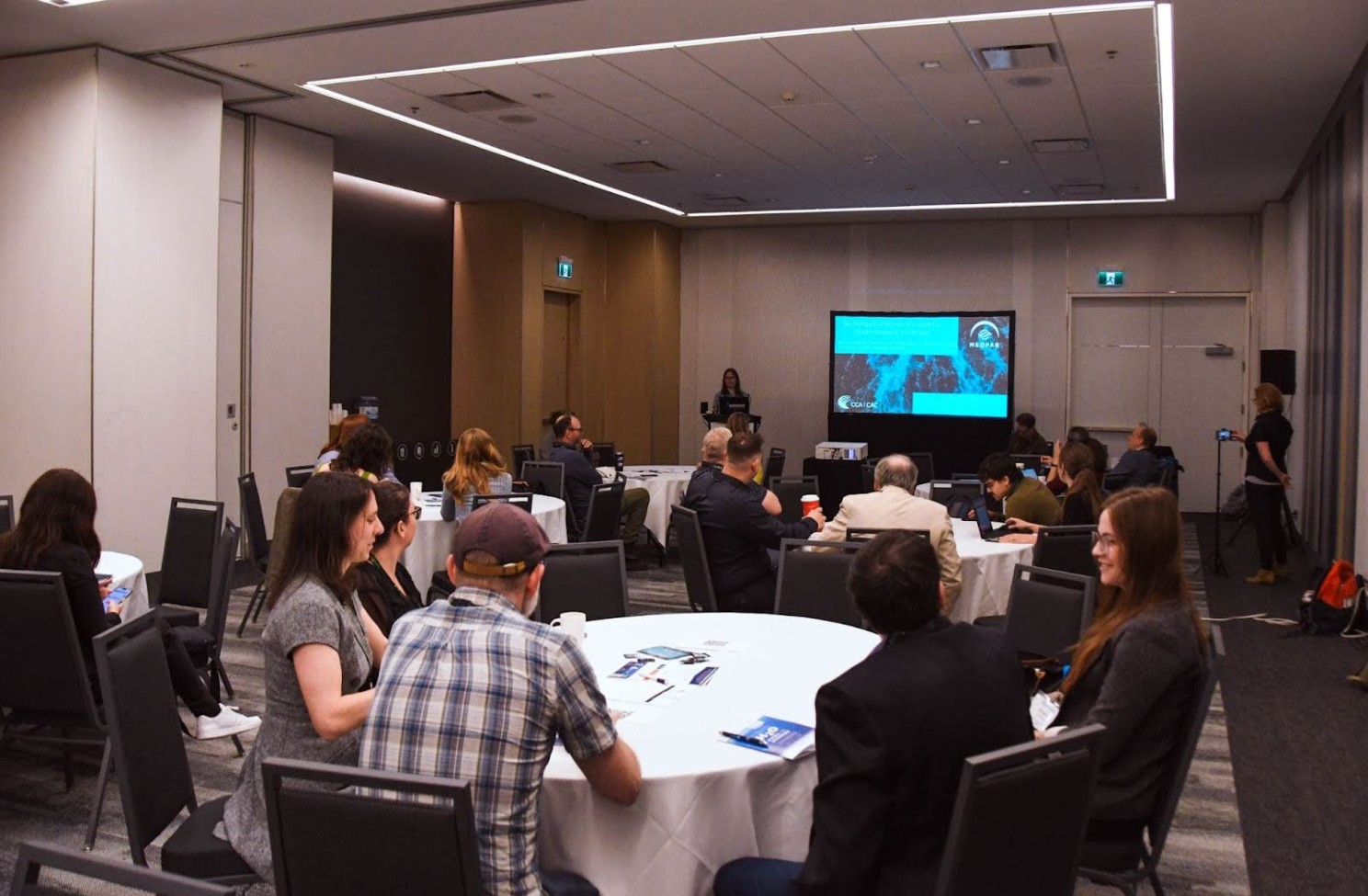
The latest in the series of workshops that are being held across Canada was held in Halifax during the Home to Overseas (H2O) conference on June 11th, 2025.
In this in-person workshop, a diverse group of ocean industry professionals, researchers, government employees, and students came together to identify and explore some of the challenges that they’ve been facing. A few key challenges identified in the conversation included:
- Bridging silos across sectors
- Data access, standardization and use
- Increased need for education in real-world skills
- The need for longer-term funding
- Reduced policy/bureaucratic barriers
- An improved academia-industry interface
- The meaningful engagement of communities in research
Bridging Silos Across Sectors
The first step of collaboration is breaking down existing barriers. During the H2O workshop discussion, there was a strong consensus that bridges need to be built between disciplines, sectors, institutions, and data systems to ensure a collaborative approach to ocean research.
Another challenge that was identified was the gap between tech and ocean science, with a call to focus on strategies that will make ocean tech more accessible to scientists while making ocean research more accessible to tech companies.
Data Access, Standardization, and Use
A challenge noted by both early career researchers and government employees in attendance at the H2O workshop is that current ocean data infrastructure is fragmented and difficult to use and access. There are complexities when it comes to data sharing, summed up by the CARE principles (Collective benefit, Authority to control, Responsibility, and Ethics), and these principles are especially important in relation to Indigenous and community-owned data.
Education, Training & Skill Development
Students in attendance at the H2O workshop identified a need for more knowledge in soft skills and real-world application, prompting a suggestion to integrate industry into curriculum development. Beyond students and early-career professionals, there is also a need for additional training support to develop transferable skills in business and communications to help bridge the gaps throughout the ocean research community.
Funding & Sustainability
Participants noted how many current funding opportunities only fund short-term projects, which leads to short-term thinking and, in turn, results in a loss of long-term benefits. This discussion spurred a call for more funding opportunities that can support long-term research strategies. Along with this, attendees voiced their desire for diversified funding that goes beyond core research and provides support for community building, communications, and data management.
Policy & Bureaucracy Barriers
Workshop attendees highlighted how approval processes and the lack of accessible data resources are factors which slow down innovation and get in the way of knowledge mobilization. These challenges resulted in a call for more agile and transparent contracting processes between government and industry.
Industry-Academia Interface
Due to a wide range of differing expectations in industry and academia, collaborations can often be difficult to facilitate and navigate. A possible solution suggested by participants in the H2O workshop was to provide training on how to effectively share resources, equipment, and personnel during projects that aim to achieve common goals.
Community Relevance & Decolonization
Participants discussed how It is essential to involve communities in research, although currently it is often treated as an afterthought. During the workshop, it was pointed out that community engagement should be a core component of research design from the start. Data and research need to be made relevant to equity-seeking and Indigenous groups in order to create resources that serve everyone.
Help us combat challenges, break down barriers, and build collaboration to create the next wave of innovative, community-led ocean research in Canada.
As important as addressing the challenges noted by participants in the H2O workshop are, they are not the only aspect to focus on when considering the future of ocean research in Canada; there are opportunities to look at too. For instance, funding opportunities like Canada’s $2B AI Compute Access Fund can support ocean research and data infrastructure, and there is a growing interest in innovation labs, mentorship stipends, and entrepreneurial programs such as the Creative Destruction Lab.
Whether you’re interested in shaping the process, participating in upcoming engagement opportunities, or offering support as a financial partner through your organization, there’s a place for you to get involved.
Make your voice heard and complete the survey. Join MEOPAR: Marine Environmental Observation, Prediction and Response Network and Council of Canadian Academies / Conseil des académies canadiennes at one of the upcoming virtual workshops on Tuesday, July 8th, at 1pm EST for a northern/Arctic session, or Thursday, July 10th, at 1pm EST for a general session.
Help us combat challenges, break down barriers, and build collaboration to create the next wave of innovative, community-led ocean research in Canada.