Communities of Practice
Working in the same field as one of our CoPs? Consider becoming a member!
Each Community of Practice operates independently as a grassroots initiative, supported by MEOPAR. To join one of our CoPs, click on the link to connect to their websites or email their coordinators.
2025-2028 CoP Funding Recipients
Lead: Larry Nahanee
Co-lead: Alanna Syliboy
Coordinator: Lilia Yumagulova
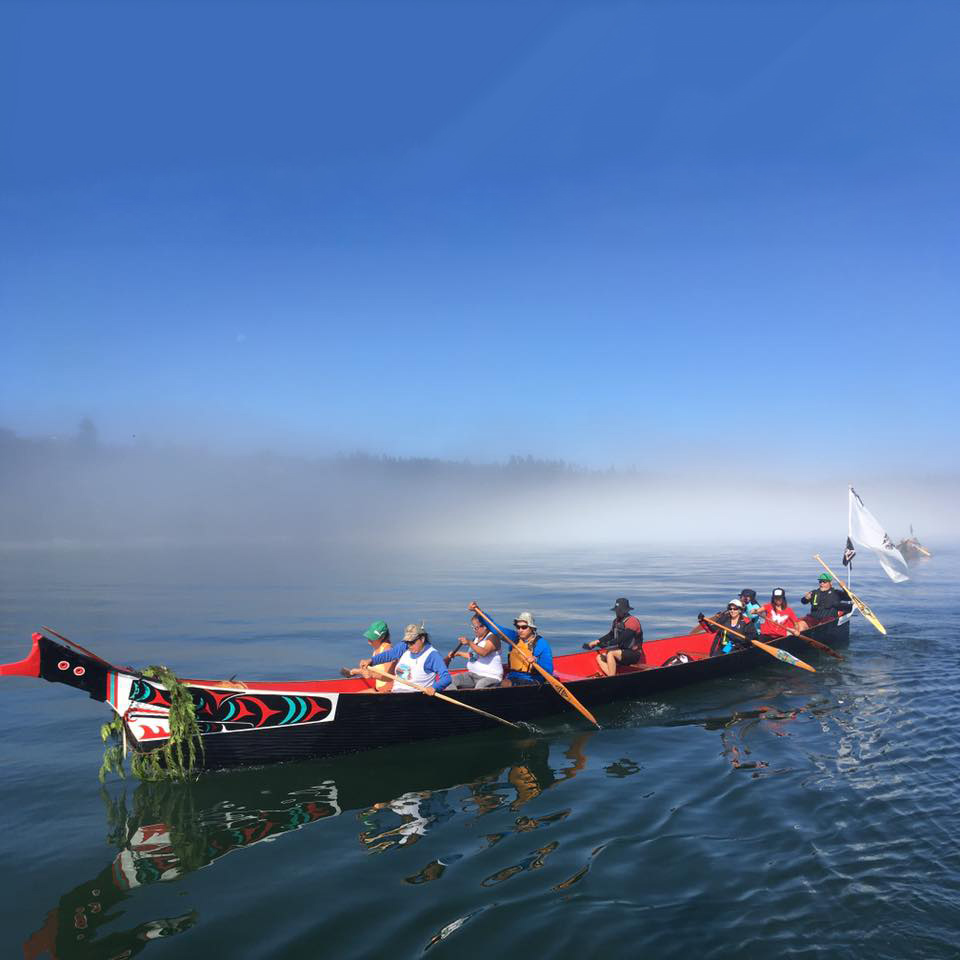
Reflecting the East, West, and North coasts, this Indigenous-led Community of Practice brings together First Nations Rights and Title Holders, First Nations organizations, and aspiring allies to enhance coastal resilience by deepening connections to Indigenous cultures and Indigenous Ocean Knowledges.
photo credit: Richard Till/Squamish Ocean Canoe Family
Lead: Kohen Bauer
Co-lead: Devin Todd
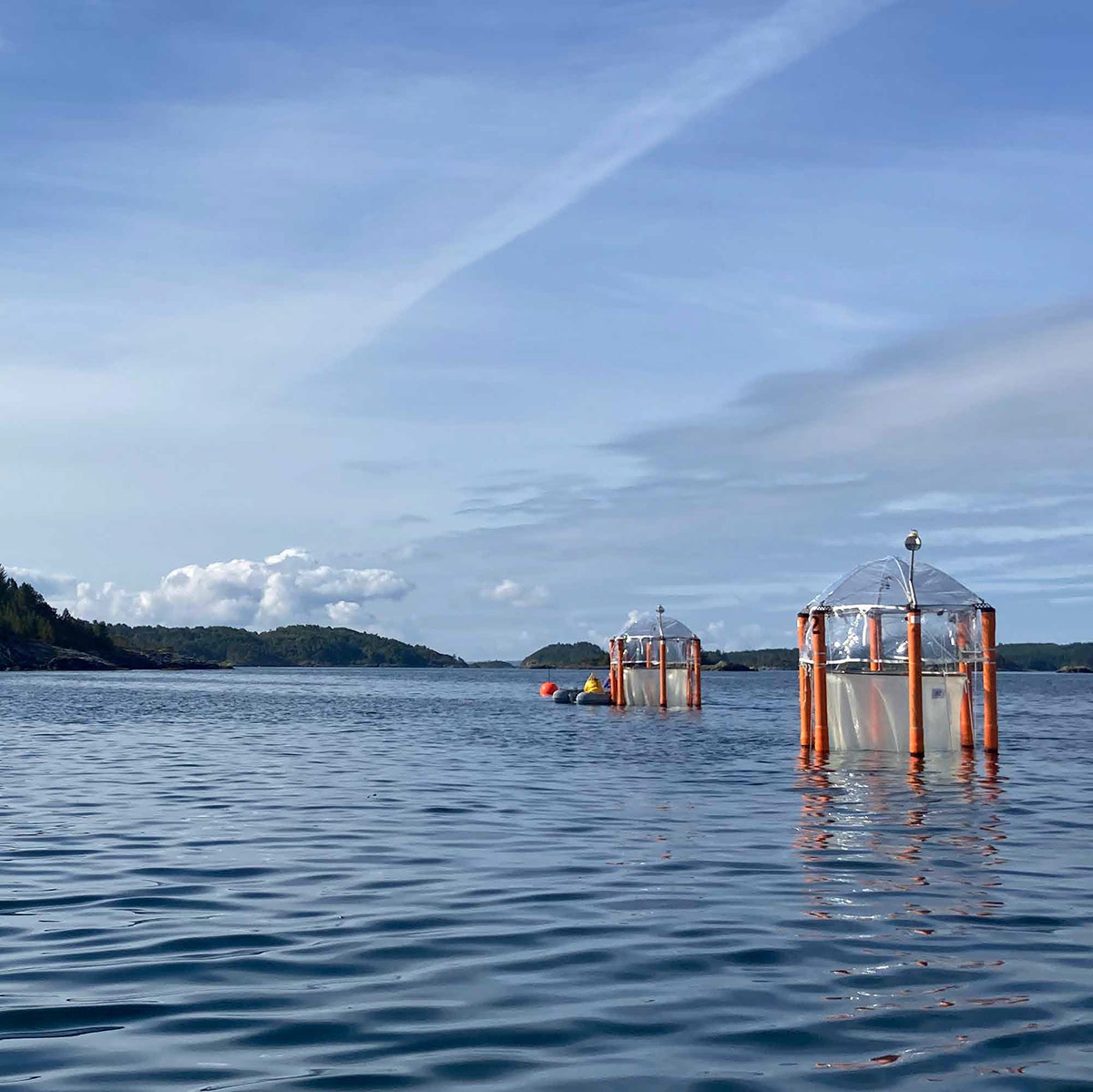
This CoP focuses on responsible, inclusive marine carbon dioxide removal (mCDR) in British Columbia and Washington State, serving as a forum for research, knowledge sharing, and policy engagement.
The BC/WA mCDR CoEx is supported by MEOPAR and hosted at Ocean Networks Canada.
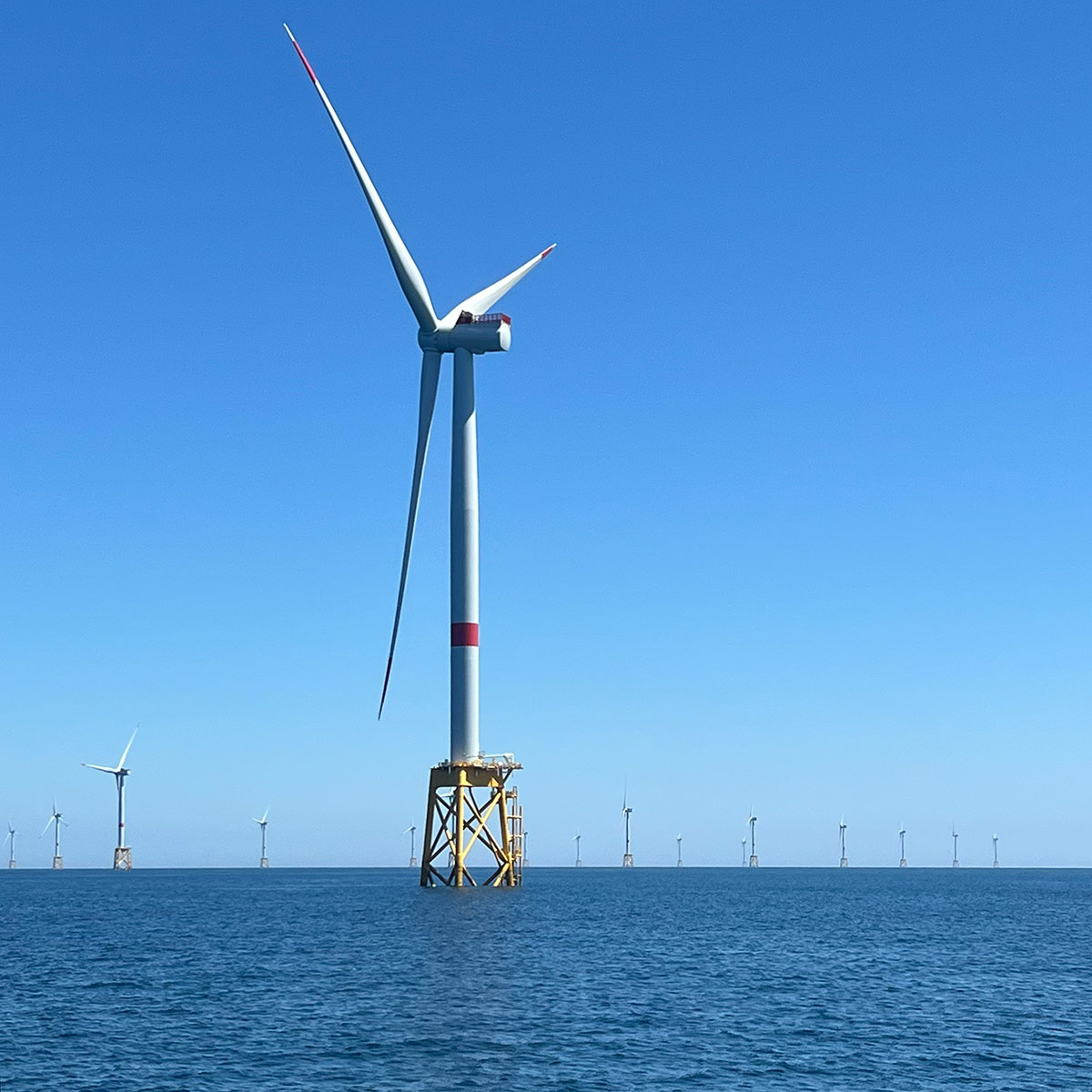
Lead: Déborah Benkort
Co-lead: Ian Stewart
By bringing people together, CNOWR CoP will connect partners across Canada to support sustainable energy transition with offshore wind.
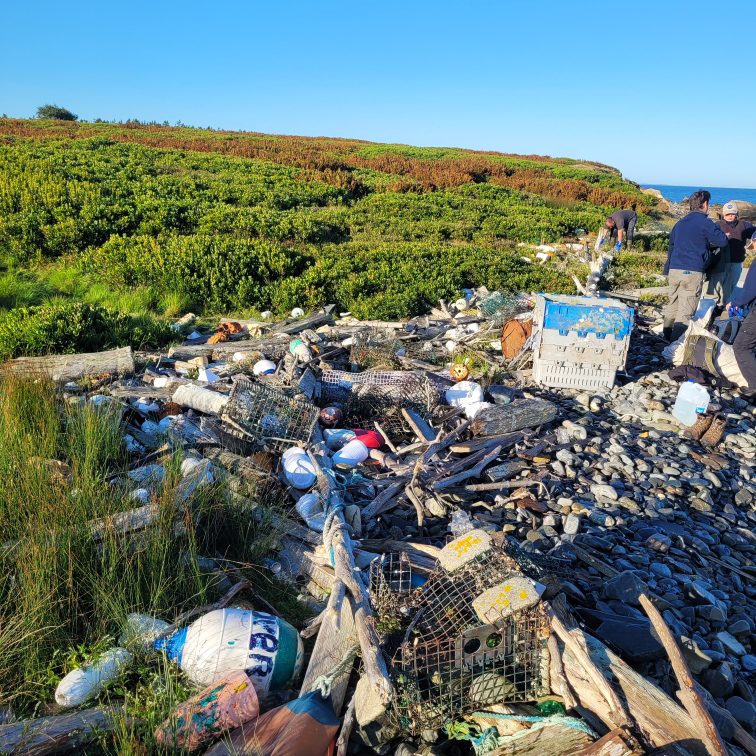
Lead: Brooke Nodding
Co-lead: Mojtaba Alizadeh
Coordinator: Kelly Mackarous
By bringing together researchers, practitioners, industry, policymakers, and communities CAMPAC CoP aims to better to understand the sources, impacts, and solutions to marine plastic pollution across Canada.
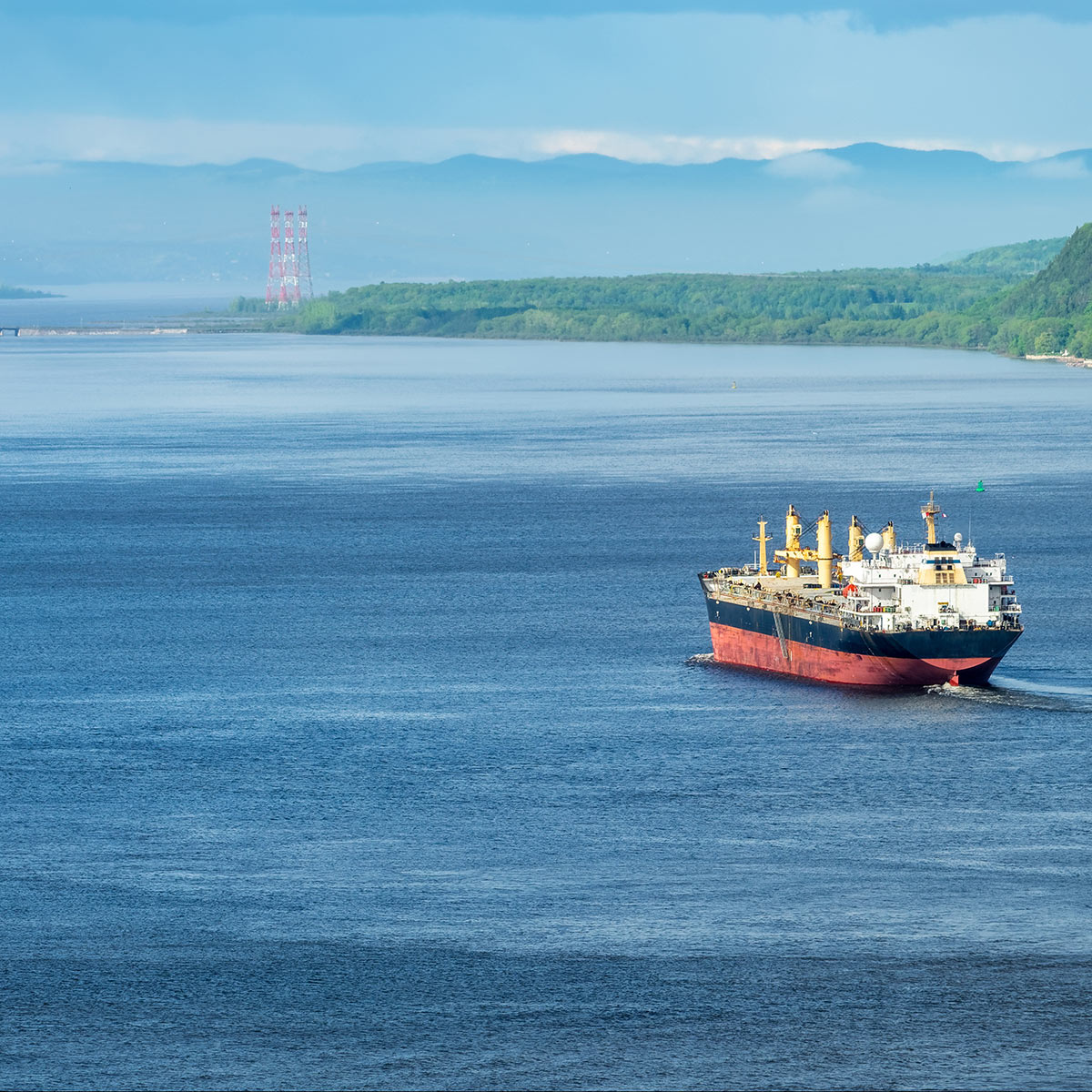
Lead: Gabriel Bourgault-Faucher
Co-lead: Dany Dumont
Coordinator: Roxane Bissonette
This CoP seeks to improve the coherence and effectiveness of public policies involving the St. Lawrence River and coastal communities in maritime Quebec and Atlantic Canada, which are navigating complex socio-ecological transitions. It aims to reinforce and transmit a culture of maritimity in Quebec, while equipping coastal communities with stronger tools to guide their development and ensure their long-term sustainability.
Lead: Ian Church
Co-Lead: Kevin Wilcox
COMREN CoP is a national hub connecting ocean mapping experts, students, and stakeholders from academia, government, industry and coastal communities, with the primary objective of strengthening Canada’s ocean mapping capacity.
Lead: Chelsi McNeill-Jewer
Co-lead: Simon Aggark
Coordinator: Faith Maelzer
FBRSN CoP aims to strengthen cross regional Inuit-led stewardship of Foxe Basin’s land and marine ecosystems through sustained collaboration between Inuit communities, Indigenous Guardians, academic researchers, and key regional stakeholders.
Lead: Margot Hessing-Lewis
Co-lead: Aaron Eger
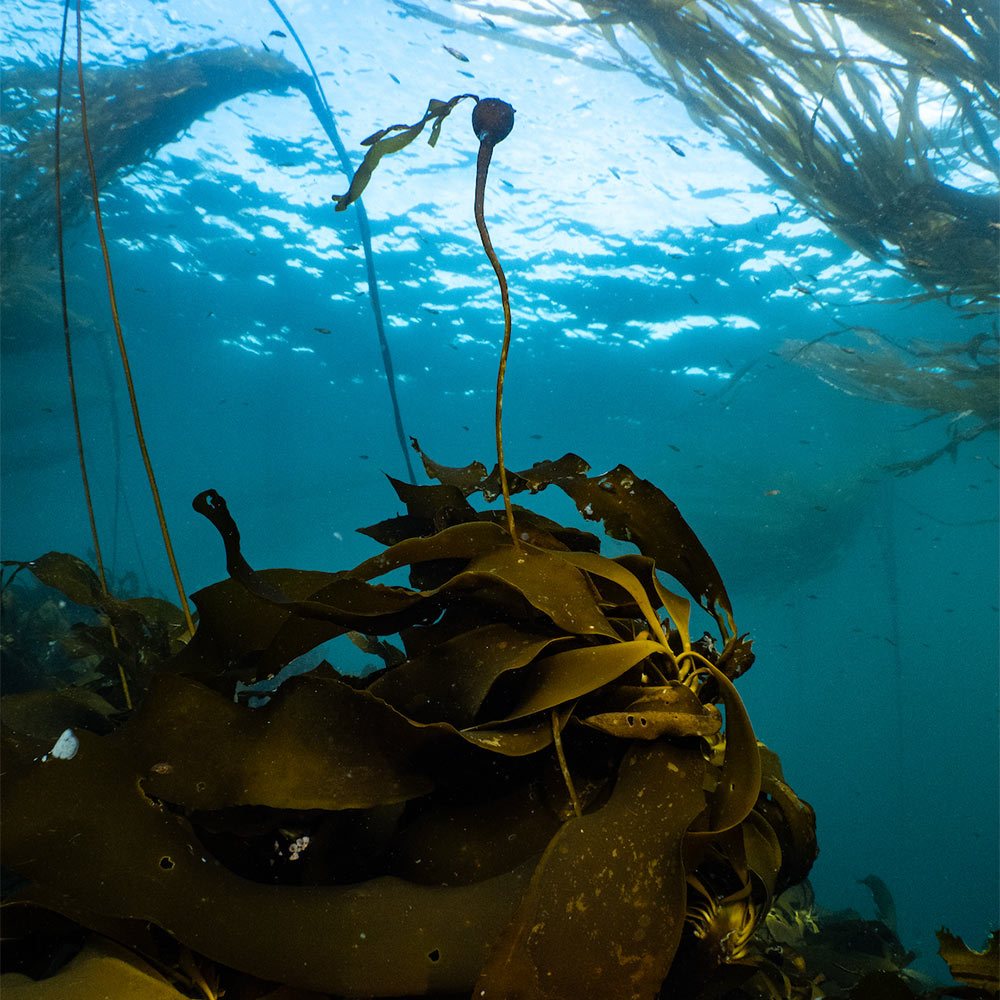
NKELPA CoP seeks to grow the understanding and care of kelp ecosystems across Canada’s Pacific, Atlantic, and Arctic coasts by co-developing regional kelp action plans, grounded in science, Indigenous knowledge, and local priorities.
Photo credit: Rosie Poirier
Lead: Paul Myers
Co-lead: Natasha Ridenour
Coordinator: Inge Deschepper
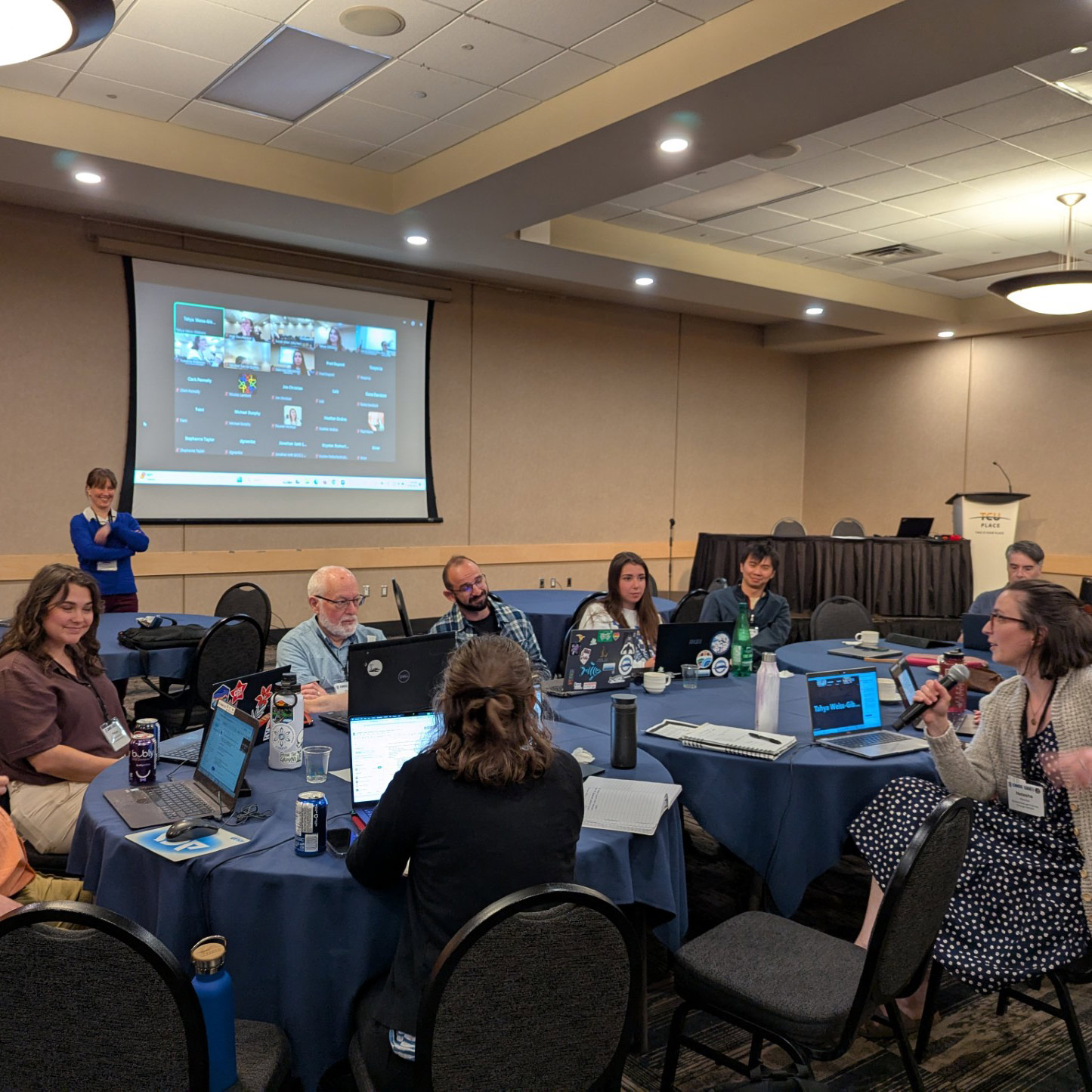
NEMO CoP enhances coordination between ocean modelling groups across Canada. This includes sharing the latest developments, training the next generation of practitioners, and providing Canadian highly qualified personal and early career researchers to be more involved in NEMO modeling activities.
Lead: Wiley Evans
Co-Lead: Helen Gurney-Smith
Coordinator: Kristina Barclay
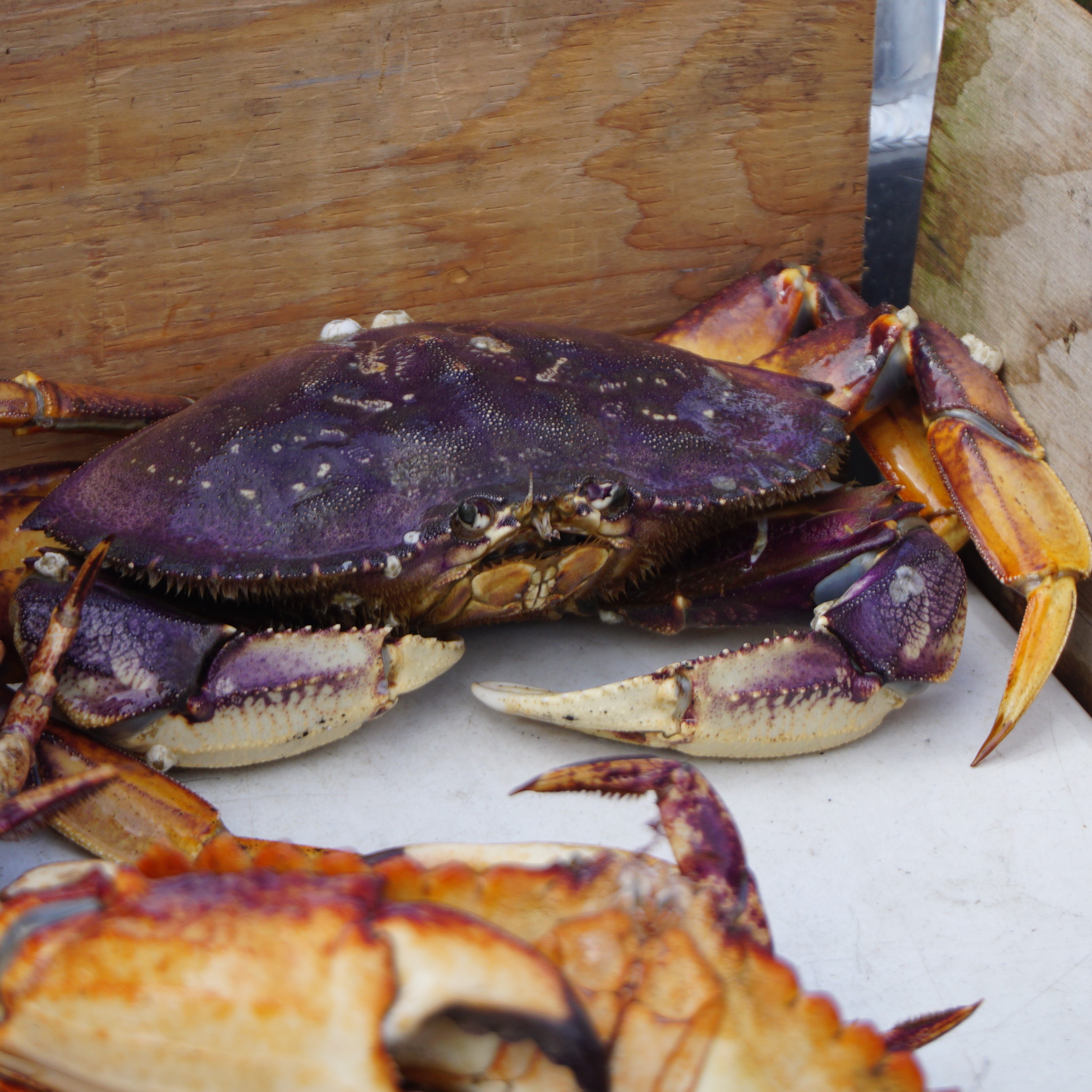
The OA CoP aims to share and advance expertise, data, and resources on ocean acidification across all sectors, disciplines, and regions in Canada. It also seeks to identify research and knowledge gaps, guide necessary actions, and foster a collaborative, supportive environment for communities and groups impacted by ocean acidification.
Lead: Andrea Reid
Co-lead: Nicole Jung
Coordinator: Bridget Irving
This CoP aims to support Tsawout First Nation in ongoing work to establish long-term, socio-ecologically informed stewardship plans and actions within their QEN,T Indigenous Protected and Conserved Area (IPCA), an area of focused effort toward (re)instating Tsawout’s primary role in conserving their traditional homelands and waters.
Lead: Simon Ryder-Burbidge
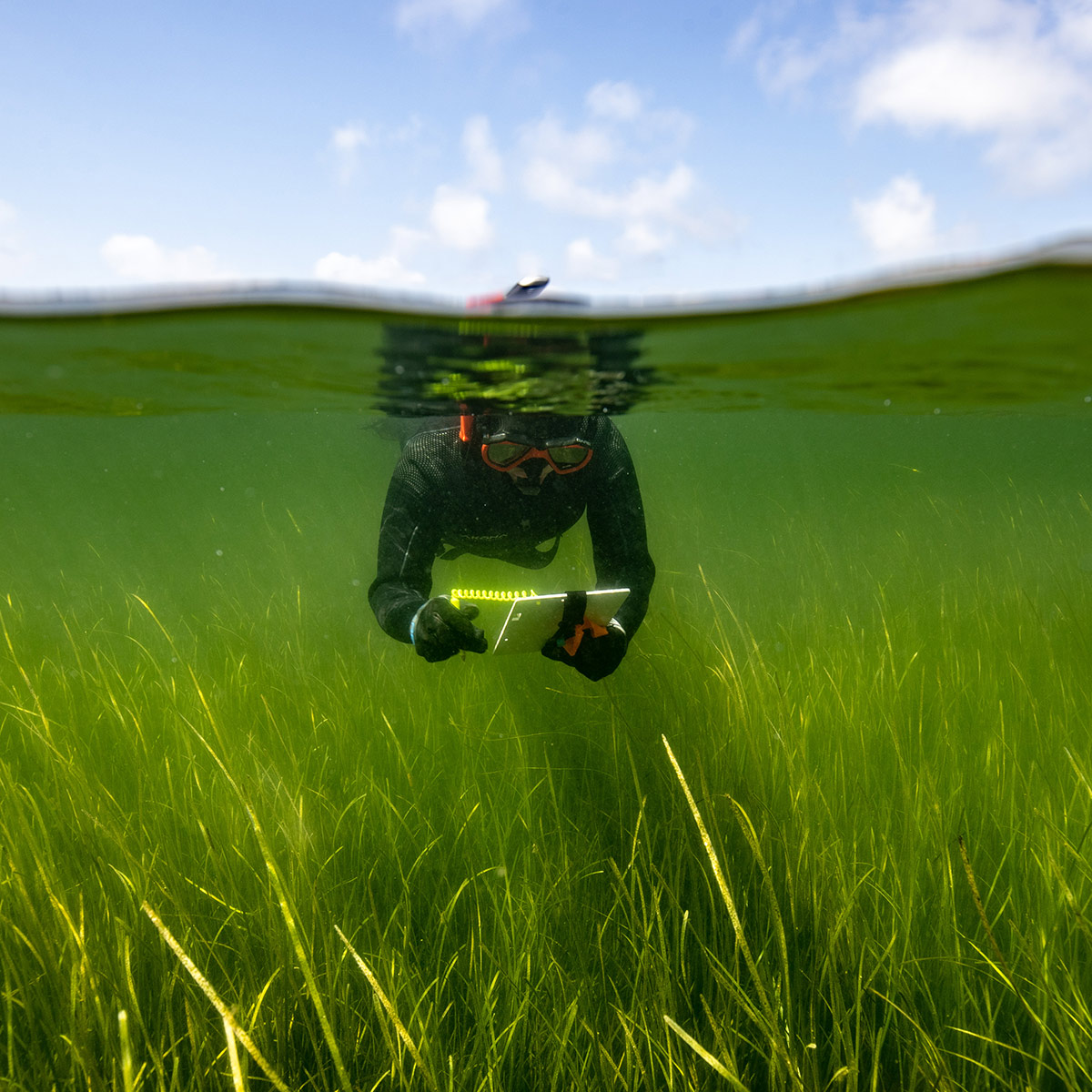
The goal of this CoP is to strengthen regional collaboration, knowledge exchange, and capacity for the study, conservation, and restoration of eelgrass meadows on the St. Lawrence.
Photo credit: Nicolas Winkler Photography
Lead: Jean Holloway
Coordinator: Julia Macpherson
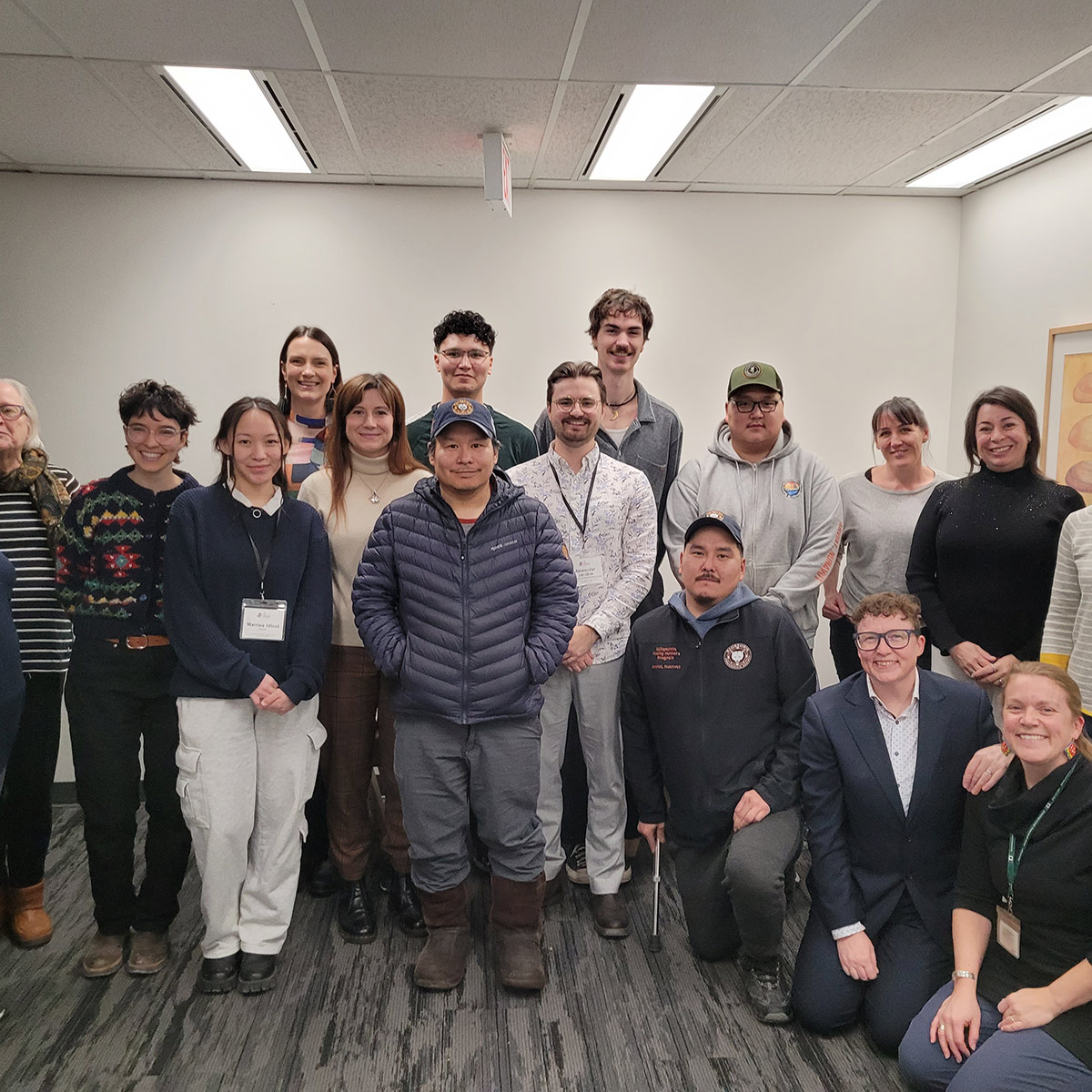
SASKE CoP will create a space for dialogue on the risks and impacts of increased shipping activity across Inuit Nunangat. Its purpose is to foster the sharing and application of diverse knowledge systems regarding shipping risks and impacts, supporting collaborative learning and coordinated action across regions.
Previously Funded CoPs
Lead: Jason Thistlethwaite
Research Manager: Andrea Minano
Coordinator: Shaieree Cottar
Research Manager: Andrea Minano
Coordinator: Shaieree Cottar
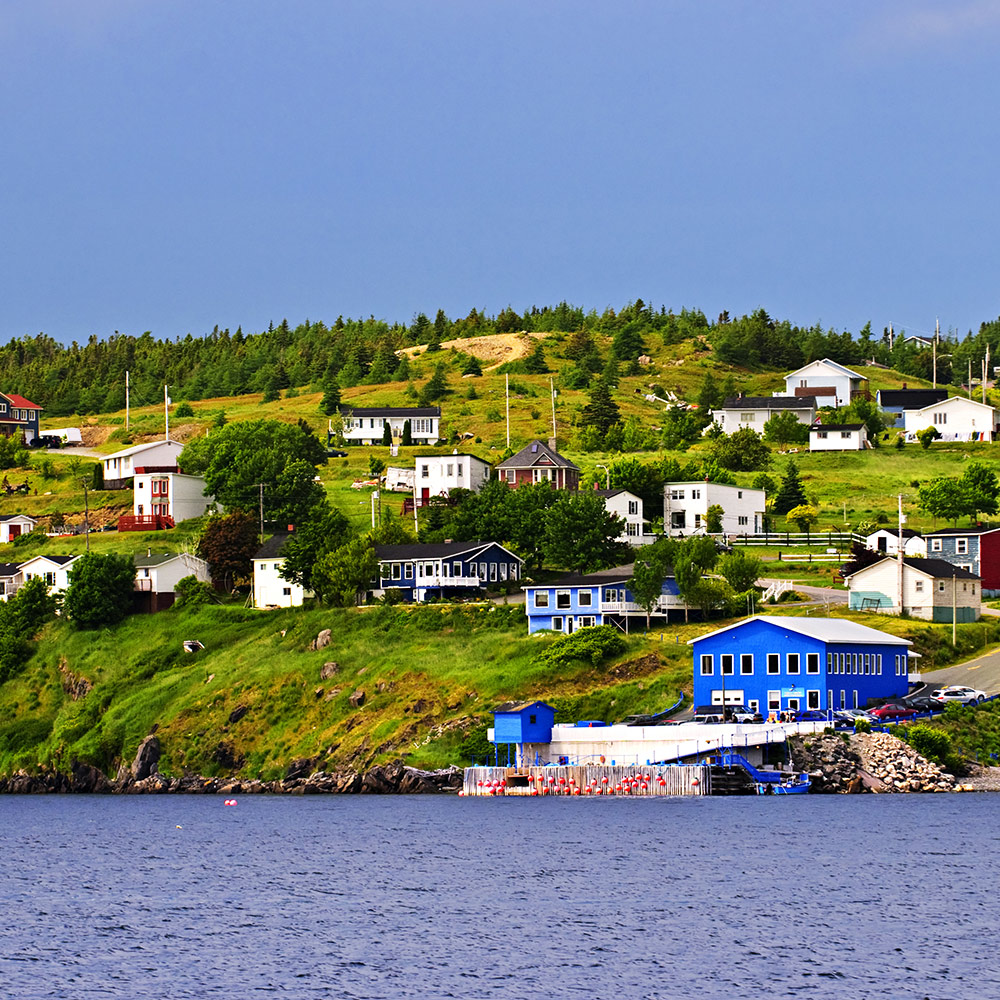
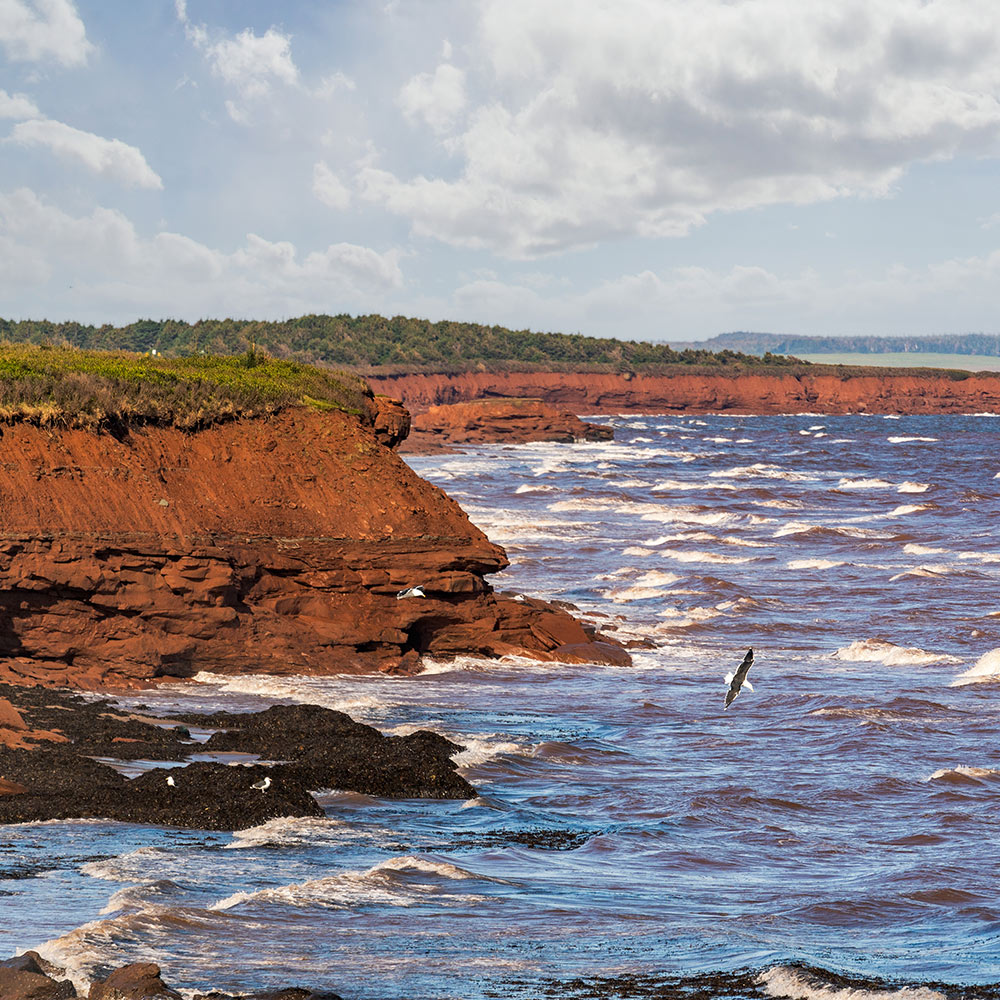
CCRF focuses on strengthening resilience to climate change hazards in Canada’s coastal regions by identifying policy and governance strategies for reducing and managing the consequences of natural hazards. Natural hazards pose a serious threat to public safety, livelihoods and local economies in coastal regions. The CCRF was established to facilitate knowledge-sharing across sectors, institutions and disciplines and to identify policy and governance strategies for reducing and managing the consequences of natural hazards in coastal areas.
Leads: Ron Pelot & Stan Matwin
MEOPAR S-AIS Data Manager: Matthew Smith
Coordinator: Jennifer Steele
MEOPAR S-AIS Data Manager: Matthew Smith
Coordinator: Jennifer Steele
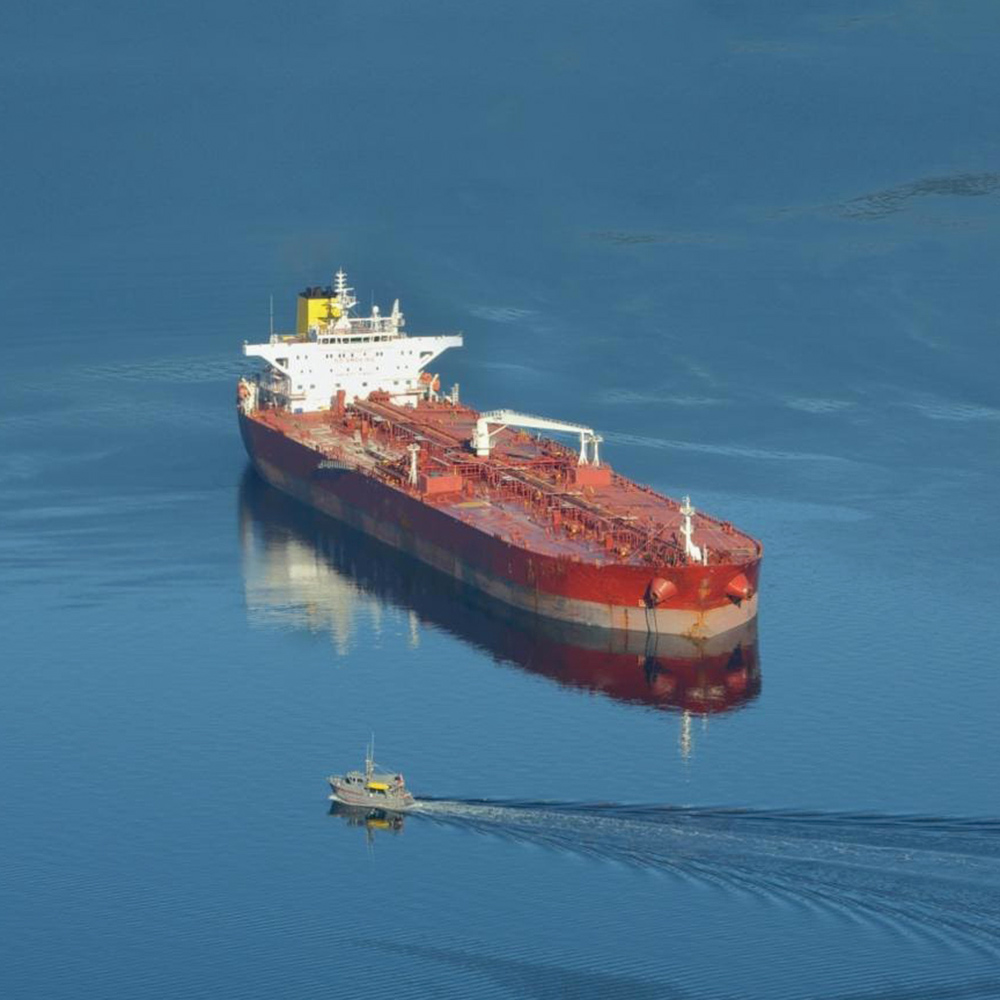
CMSRF explores shipping risks, bringing stakeholders together to mobilize knowledge, collaborate and network. Broadly, this CoP addresses risks to and from shipping, including challenges related to the modelling of ship movement and presence. The CoP’s activities revolve around three primary interest areas: shipping movement data, shipping traffic modelling, and shipping risk quantification and assessment.
Leads: Joel Finnis, Ron Pelot, Amber Silver
CoP Community Coordinator: Cindy Marven
CoP Community Coordinator: Cindy Marven
The Coast and Ocean Risk Communication Community of Practice (CORC CoP) is a forum for people and organizations interested in building knowledge and best practices around communicating risk of coastal or marine hazards such as marine pollution, extreme weather events, tsunamis and earthquakes, sea level change, coastal flooding, coastal erosion, storm surge, sea-ice change, or others. The intent of CORC CoP is to improve marine and coastal risk communication by inviting people from local and indigenous communities, researchers, emergency planners, policy-makers, and marine industries to share knowledge and experience and to learn about approaches and best practices for communicating risks relating to marine and coastal hazards affecting people in coastal environments.
Please note that this CoP is not active anymore and that MEOPAR has decided to refocus its effort to remains active in supporting and encouraging Canadian involvement in the UN Decade. Please visit our webpage "MEOPAR's Ocean decade Activities" using the link below.
Leads: Brad deYoung & Frederic Cyr
CEOTR Manager: Richard Davis
Ocean Gliders Canada aims to encourage cooperation, communication and collaboration between Canadian researchers interested in ocean observations using gliders.
CEOTR Manager: Richard Davis
Ocean Gliders Canada aims to encourage cooperation, communication and collaboration between Canadian researchers interested in ocean observations using gliders.
Ocean Gliders Canada supports interdisciplinary research and development at Canadian universities, provides training and work experience to develop the next generation of ocean researchers, and mobilizes scientific knowledge, technology and people through cross-sector engagement.
Leads: Emmanuel Devred, Anders Knudby, Maycira Costa
Research Assistant: Claudine Ouellet, Philippe Massicotte
Research Assistant: Claudine Ouellet, Philippe Massicotte
NetCOLOR is a network of Canadian experts and end-users in the field of aquatic colour remote sensing established in 2014 through funding from the Canadian Space Agency (CSA). Its main purpose is to provide a means for researchers and other people working in the field of aquatic remote sensing to create an efficient and united centre of expertise through the development of a national strategy for research, training and dissemination of water colour products.
Lead: Mike Smit
The Community of Practice on Ocean Data Management connects Canadian ocean data centres to share and mobilize expertise and best practices, promote cooperation and alignment, and develop a shared vision for ocean data management in Canada. Conceived by its members at a 2014 Data Management Workshop, and supported by MEOPAR’s Data Management project, the community is currently comprised of organizations from government, academic, and NGO sectors.
MEOPAR Community of Practice Program at a Glance
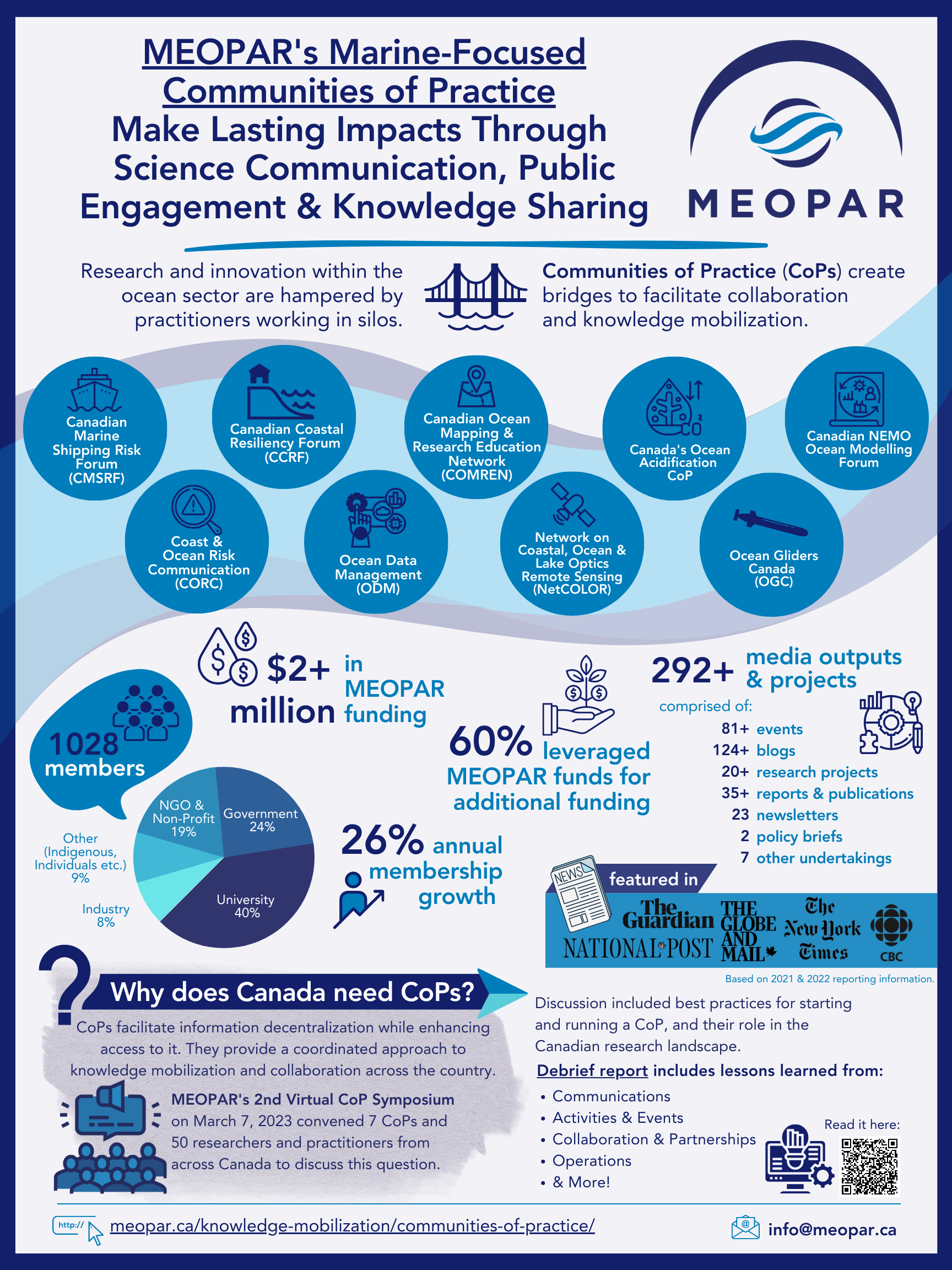
Marine Environmental Observation, Prediction and Response Network’s (MEOPAR) Community of Practice (CoP) Program at a Glance: Membership, Funding and Accomplishments.
The Community of Practice Program began investigating how to initiate CoPs within the ocean sector in 2016, and have come a long way since then. In 2017, MEOPAR started offering funding under the Core Research Program Areas (Observation, Prediction and Response). Then in 2019, it developed a CoP Funding Program to expand the scope to its current form, which supports 10 uniquely innovative CoPs in the ocean sector.
Check out the infographic to find out what’s been accomplished since the program’s inception.
MEOPAR-supported CoPs help connect researchers and highly qualified personnel (HQP; i.e., students, and early career practitioners), in concert with industry, government and community partners, in addition to other external individuals and organizations. Together, members share expertise and opportunities to learn as CoPs provide a place for discussion and co-production of knowledge and innovative projects.
View and Download CoP Info at a Glance
MEOPAR’s Marine-Focused Communities of Practice Make Lasting Impacts Through Science Communication, Public Engagement and Knowledge Sharing Strategies
This article identifies knowledge sharing (KS) activities and knowledge management systems (KMS) applicable to integrated ocean research and responses. Through case studies, this article qualitatively assesses five of MEOPAR’s most mature Communities of Practice (CoPs) to evaluate science communication and public engagement strategies; knowledge sharing methods to inform scientific decision-making; and ways to develop innovative and solution-driven approaches.
Read the Article
Guidance and Best Practices Based on MEOPAR’s CoP Program
This document outlines guidance for other individuals and organizations looking to establish CoPs, based on MEOPAR’s CoP Program.
Download Report
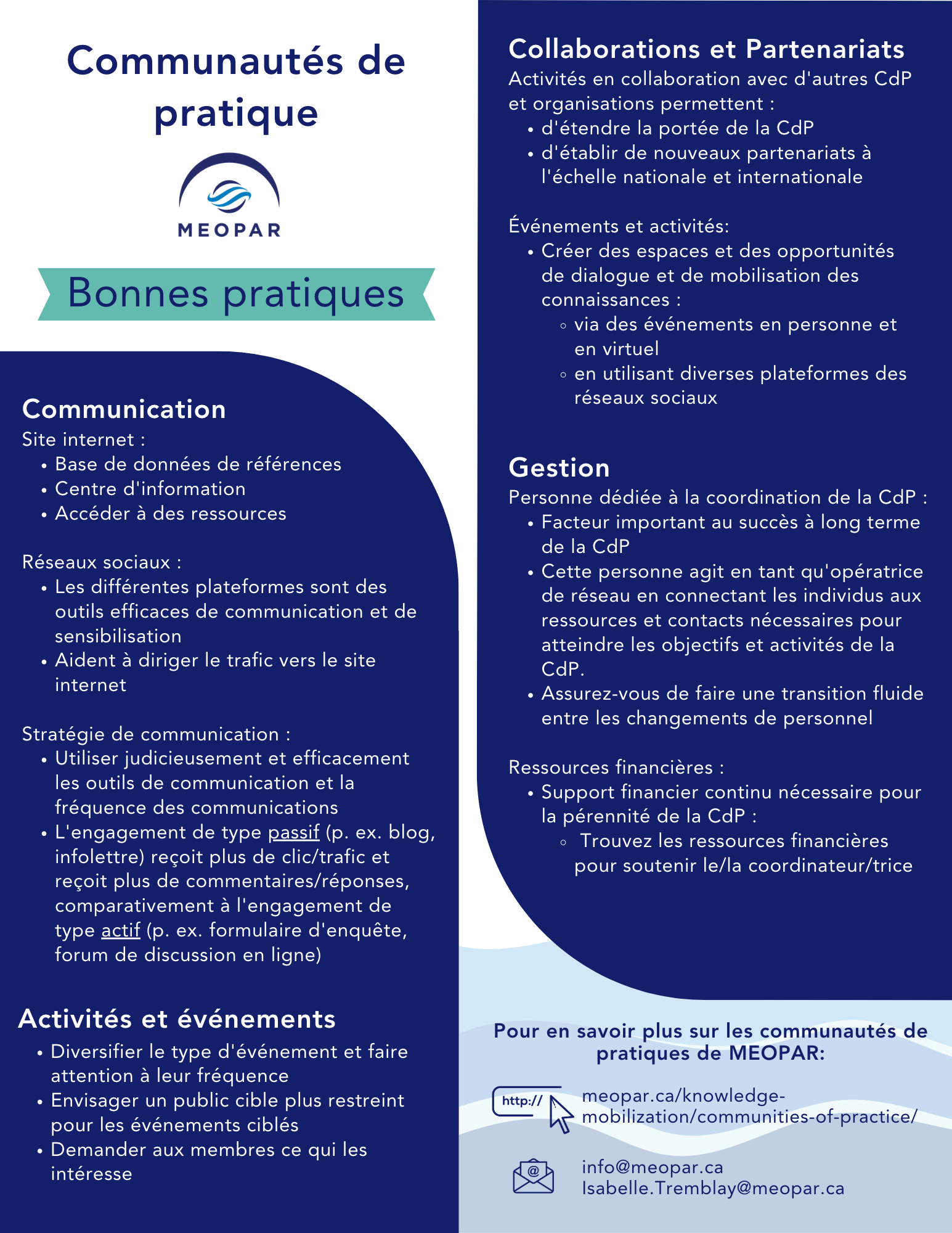
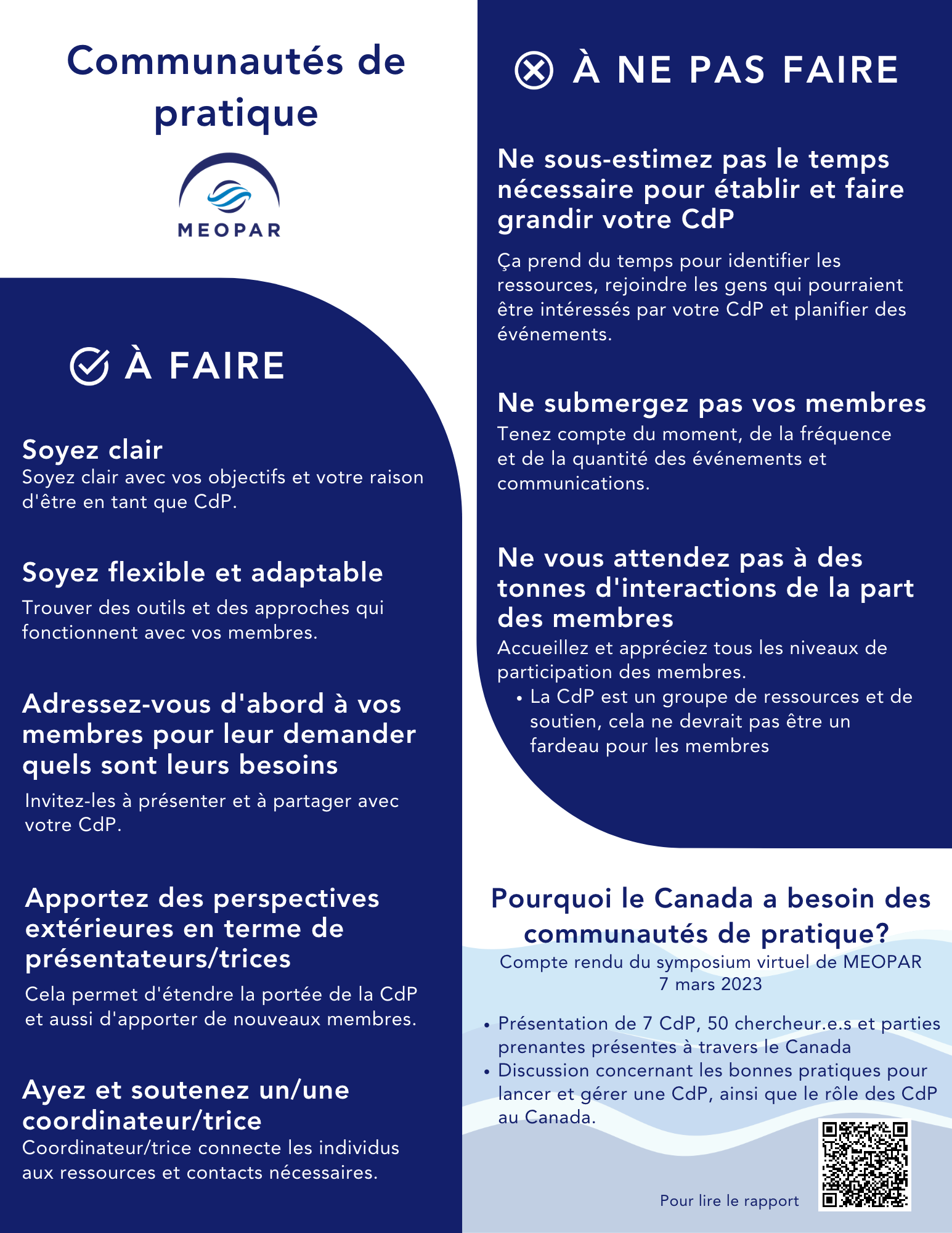
Looking to start a CoP? Review our informational flyer on best practices for establishing a community of practice, including the dos and don’ts.
Vous souhaitez créer une communauté de pratique ? Consultez notre dépliant d’information sur les meilleures pratiques pour établir une communauté de pratique, y compris les choses à faire et à ne pas faire.
Télécharger le dépliant d’information